
Redness-Prone Skin in Winter: What Helps and How to Care for It Gently
Redness-prone skin in winter is a common concern, even for people who normally have balanced skin. Cold outdoor temperatures, dry air, and constant changes between heated indoor spaces and chilly weather can leave skin looking flushed, tight, or uneven.
In this guide, we break down why skin redness in cold weather happens, what typically makes it worse, and how to build a calm, minimal routine that supports sensitive skin winter care—without overwhelming the skin.
Why Red Skin in Winter Happens
Winter can challenge the skin barrier. When the barrier is stressed, skin may lose moisture more easily and become more reactive, which often shows up as visible redness, sensitivity, or a “burning” feel.
- Cold wind and low humidity outdoors
- Dry indoor air from heating
- Hot showers and frequent cleansing
- Friction from scarves, collars, and masks
- Overuse of exfoliants or strong actives in winter
Note: Persistent or painful redness can have many causes. If symptoms feel severe, it can be helpful to seek individual medical advice.
Common Mistakes That Can Make Winter Skincare for Redness Worse
- Over-cleansing: cleansing too often or using harsh formulas can increase tightness and reactivity.
- Very hot water: can temporarily feel comforting but often leaves skin drier afterwards.
- “More is more” layering: too many new products at once can make it hard to spot triggers.
- Over-exfoliation: frequent acids or scrubs can be too much for redness-prone winter skin.
- Fragrance-heavy routines: some sensitive skins do better with low-scent or fragrance-free choices.
What Helps Redness-Prone Skin in Winter
If your focus keyword is Redness Prone Skin in Winter, think of the solution as “calm + protect + replenish.” The goal is to reduce unnecessary irritation and support the barrier so skin can feel comfortable again.
1) Gentle cleansing (protect your barrier)
Choose a mild cleanser and keep water lukewarm. In winter, many people do best with a soft cleanse in the evening and a minimal rinse (or very gentle cleanse) in the morning.
2) Hydration that layers easily
Light layers—like toner/essence textures—can help skin feel less tight without needing harsh actives. Apply with hands, press gently, and avoid aggressive rubbing.
3) Comforting moisturizers (seal and cushion)
A barrier-friendly cream can help reduce the “pulling” feeling from cold air and indoor heating. In winter, it’s often helpful to slightly increase moisture at night.
4) Reduce triggers while skin is reactive
If your skin is visibly reactive, it may help to pause strong exfoliation and keep the routine consistent for a few weeks before adding anything new.
A Gentle Seasonal Routine: Sensitive Skin Winter Care (AM / PM)
Morning (simple and protective)
- Rinse with lukewarm water or use a very gentle cleanse if needed
- Hydrating toner/essence (press in with hands)
- Serum (optional): choose one calming, barrier-friendly step
- Moisturizer (a bit richer than summer if skin feels tight)
- Sunscreen (daily, even in winter)
Evening (calm and replenish)
- Gentle cleanse to remove sunscreen and city build-up
- Hydrating toner/essence
- Serum (optional)
- Comforting cream to support overnight moisture
Weekly care (1–2x)
- Hydrating mask when skin looks tired or dehydrated
- Avoid strong peeling steps if redness is currently active
Winter Tips That Often Help Redness (Beyond Products)
- Humidify your space: indoor heating can dry the air significantly.
- Pat—don’t rub: use soft towels and gentle application.
- Protect from wind: scarves can help, but avoid scratchy fabrics on the cheeks.
- Keep showers lukewarm: especially on days when skin feels reactive.
- Introduce one change at a time: so you can spot what your skin likes.
Selected Products to Support a Gentle Winter Routine


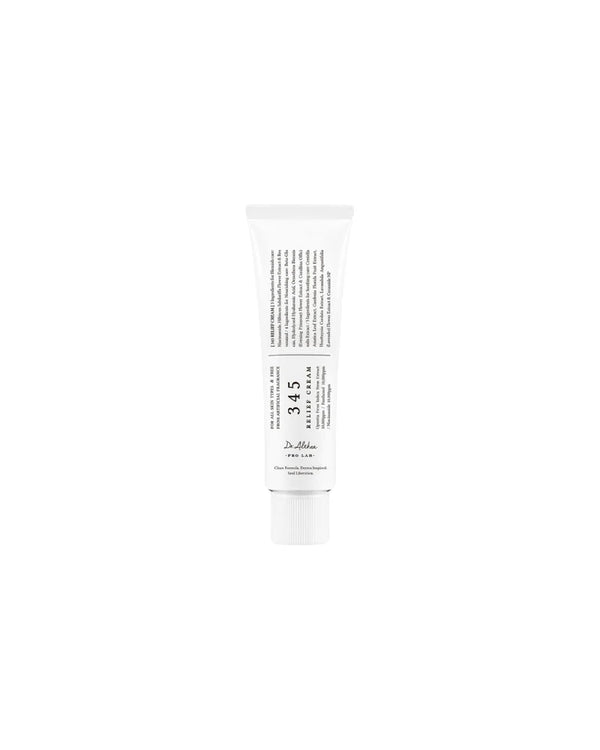


Tip: Keep winter routines minimal. If your skin is reactive, introduce new products one at a time and give your skin a few days to adjust.
Key Takeaways
- Redness prone skin in winter is often linked to barrier stress from cold air and indoor heating.
- Gentle cleansing, hydration layers, and comforting creams can help reduce the look of winter redness.
- Avoid common triggers like very hot water, over-exfoliation, and too many new products at once.
- Consistency and simple routines often support better comfort over time.
- Protecting skin from wind and dry indoor air can make a noticeable difference.
Frequently Asked Questions
Why does my face get red when I go from cold weather into a warm room?
Rapid temperature changes can cause temporary flushing. For redness-prone skin, keeping the routine gentle and supporting the barrier can help skin feel less reactive over time.
Should I stop exfoliating in winter if my skin is red?
If your skin is currently reactive, many people find it helpful to reduce exfoliation and focus on hydration and barrier comfort. Reintroduce exfoliation slowly once skin feels stable.
What’s a simple sensitive skin winter care routine if I want minimal steps?
A gentle cleanse, one hydrating layer, and a comforting moisturizer are often enough. Add sunscreen in the morning and consider a hydrating mask once a week if needed.
Can indoor heating make redness worse?
Yes, heated indoor air is often dry, which can increase moisture loss. Using a humidifier, lowering water temperature, and applying moisturizer consistently may help.
How can I tell if a product is too strong for winter skincare for redness?
Signs can include stinging, increased tightness, or redness that appears shortly after application. If this happens, simplify the routine and introduce products more slowly.
Red skin in winter doesn’t always need a complex solution. A calm approach—gentle cleansing, comfortable hydration, and steady barrier support—often helps skin look more even and feel more settled during cold weather.